

Lefkada island is famous not only for gorgeous beaches and lush greenery but also for its landmarks that reflect its history, tradition, and culture. Visitors are amazed by churches and monasteries, picturesque villages, lush vegetation, turquoise waters, pristine beaches of absolute beauty, rich cultural heritage, and hospitable locals.
This summer, visit Lefkada’s museums and landmarks to appreciate its historical and cultural traditions.
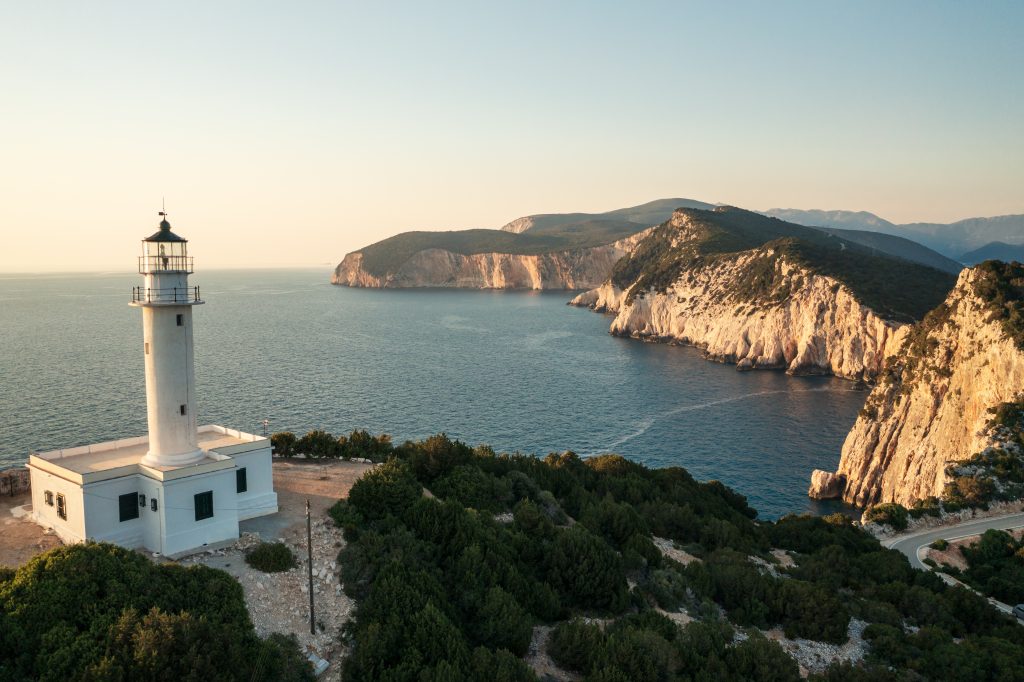
1.The Doukato Lighthouse
It is one of the most beautiful lighthouses in Greece, and like most lighthouses, it bears its legend. The lighthouse is near Athani and the ruins of Apollo’s sanctuary in cape Doukato. According to a legend, it was where Sappho, the lyric poetess of antiquity, jumped off, putting an end to her life.
It is a popular spot for experienced scuba divers because of its depth, clear waters, and plenty of lobsters, but the strong currents require extra caution.
The views from the lighthouse are magnificent, with the rocky cliffs and the scenic beauty of Ithaca and Kefalonia in the distance.
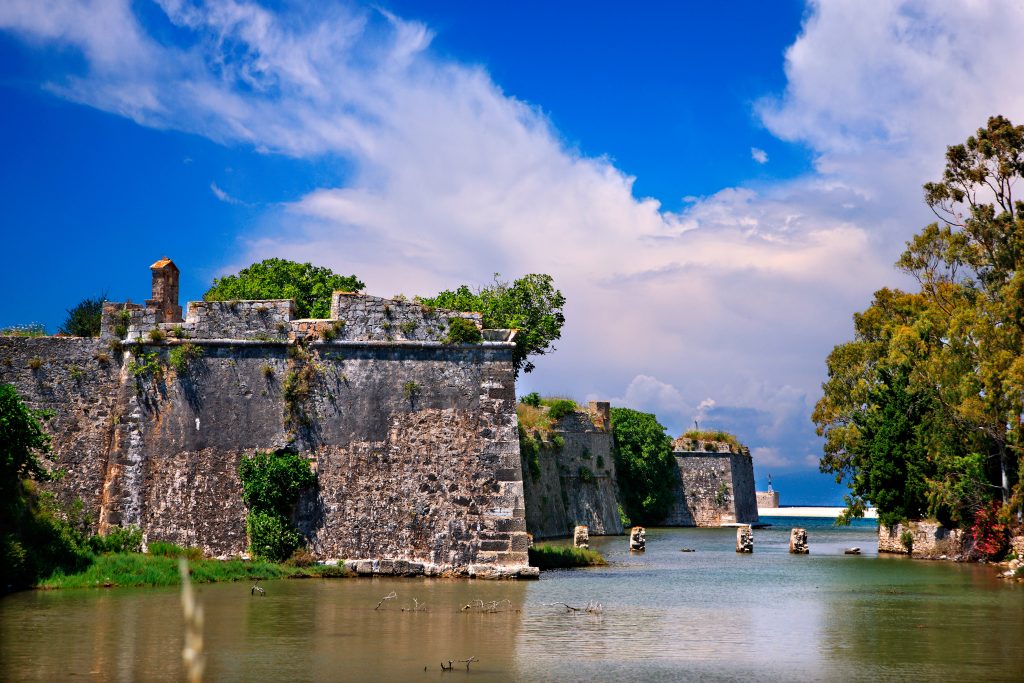
2.The Castle of Agia Mavra
The castle of Agia Mavra is ideally located at the island’s entrance near the town and bears the most admirable fortress architecture. It is an impressive medieval castle built in the 14th century and has been well-preserved to this day. Its church is dedicated to Agia Mavra and attracts visitors during the summer cultural events.
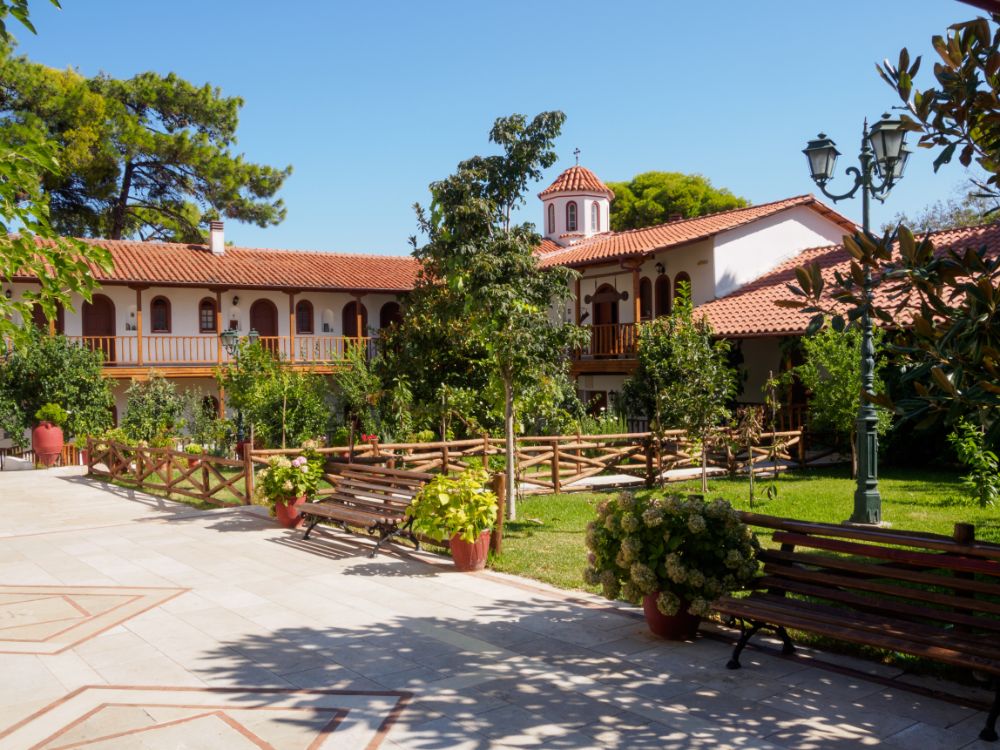
3. The Monastery of Faneromeni
The Monastery of Panagia Faneromeni is the most prominent religious hub on the island. It is situated in Frini, on a hill above the town. Visitors can enjoy a panoramic view of the village, the northern island, and the coasts across the mainland.
According to tradition, the monastery of Panagia Faneromeni was built on the site of an ancient temple dedicated to Artemis, the goddess of hunting. Today it houses an Ecclesiastical Museum with rare Byzantine icons, old manuscripts, and gospels.
4. Lefkada Archaeological Museum
The Archaeological Museum is housed in the Cultural Centre in Lefkada Town. Its exhibitions cover a chronological period, from the Paleolithic and Neolithic times.
The exhibits depict island life in historical times relating to music, commerce, weaving, coinage, fishery, and farming. The exhibits include coins and figurines of deities, costumes, tomb monuments, and stone urns. There is also a section dedicated to archaeologist William Dorpfeld, famous for his excavations on the island.
5. The Museum of Phonographs
This is a private museum founded in the 80s. You can visit it while strolling in the old city of Lefkada. Its exhibits include old phonographs, gramophones, radios, vinyl records, decorative vintage items, old newspapers, postcards, old-fashioned jewelry, banknotes, and coins of a long-gone era.
6. The “Pantazis Kontomichis” Folk Art Museum
A visit here will broaden your knowledge of the old traditional island life. The museum houses a vast and rare collection of objects related to local everyday life and work.
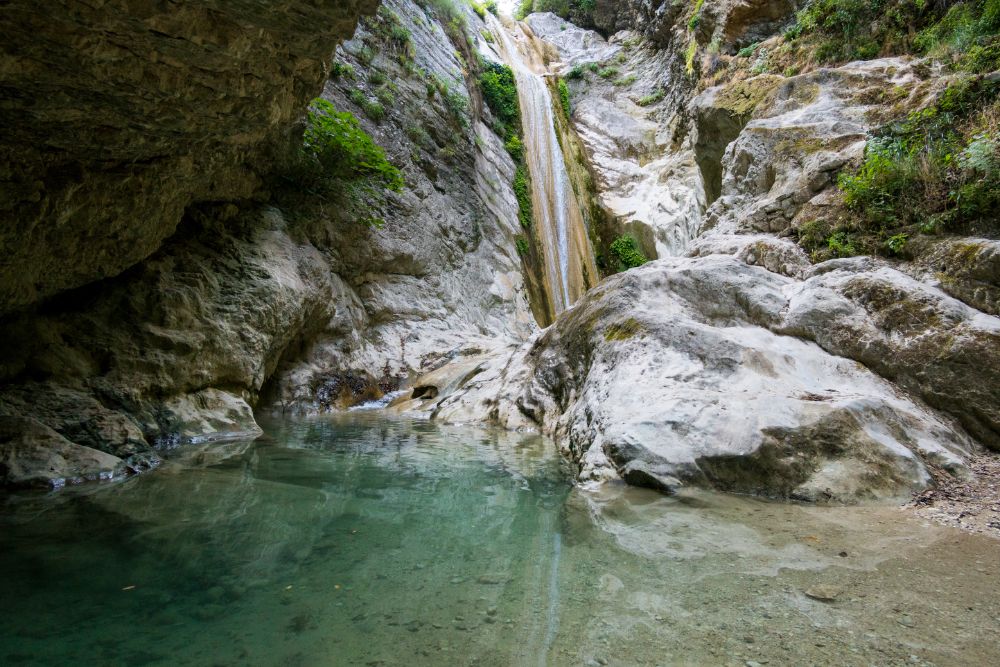
7. Dimossari Waterfalls of Nydri
Lefkada owes its lush vegetation to the abundance of underground water, and its high mountains are sources of waterfalls cascading from the mountainous grounds to the sea. The Dimossari Waterfalls are on the outskirts of Nydri.
During hot weather, when the temperature soars, tourists visit the Waterfalls to refresh in the crystal clear waters of the lakes formed among the rocky terrain.
Complete your trip to the falls with a visit to Nydri and enjoy a traditional meal at the island’s biggest tourist resort boasting a vibrant nightlife.
8.Papanikolis Cave
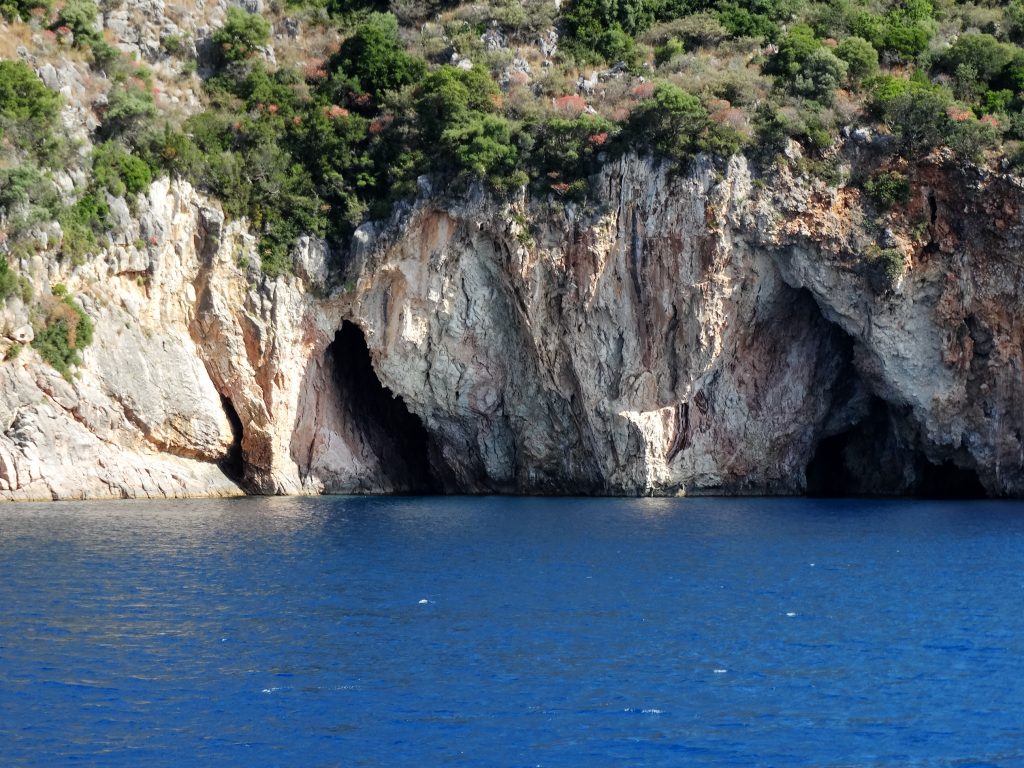
Papanikolis Cave is a turquoise water cave with a fascinating story. During WWII, it was used as a hiding spot for Greek submarines to avoid attacks, and a legend says sailors also used it to escape from pirates.
Papanikolis Cave is only accessible by boat. There you have the opportunity to snorkel in the crystal clear seas, and later why not sail north to Alabaster Cave near Lefkada to see incredible stalactites.
9. Lefkada Wineries
Traveling around Lefkada, you observe many vineyards, as winemaking dates back to antiquity. Cliffs, and plenty of rainfall in winter, provide Lefkada the perfect climate for grapes to prosper.
You can visit three wineries: Karsanikos and Sifloko in the north, where red wines prevail, and Lefkas Earth Winery in the south, where the Vardea grapes do best.
The Lefkas Earth Winery near Fterno gives visitors a tour of its stately stone buildings to explore the antique presses, modern stainless steel barrels, and automated bottling lines. All varieties of wines produced are available to taste and buy, and the dry white Vardea is worth taking back home.
10. The Olive Oil Museum Tsarlambas
The Olive Museum “Fabbrica” is in Syvros, a picturesque village in southern Lefkada. It’s an old olive oil factory building, property of an eminent family on the island. The building is a historic monument, restored and transformed into a museum. Visitors can get an insight into how olive oil was made with the old traditional techniques. They can also sample oil, and olive paste, following a tasting ritual that unfolds the secret of good olive oil. Local products and souvenirs are also available to buy.
Lefkada is a popular year-round destination because of its mild climate. The island’s cultural attractions invite visitors to explore Greece’s historical and mythological past. This summer, discover Lefkada’s tradition through the folklore museums and landmarks.